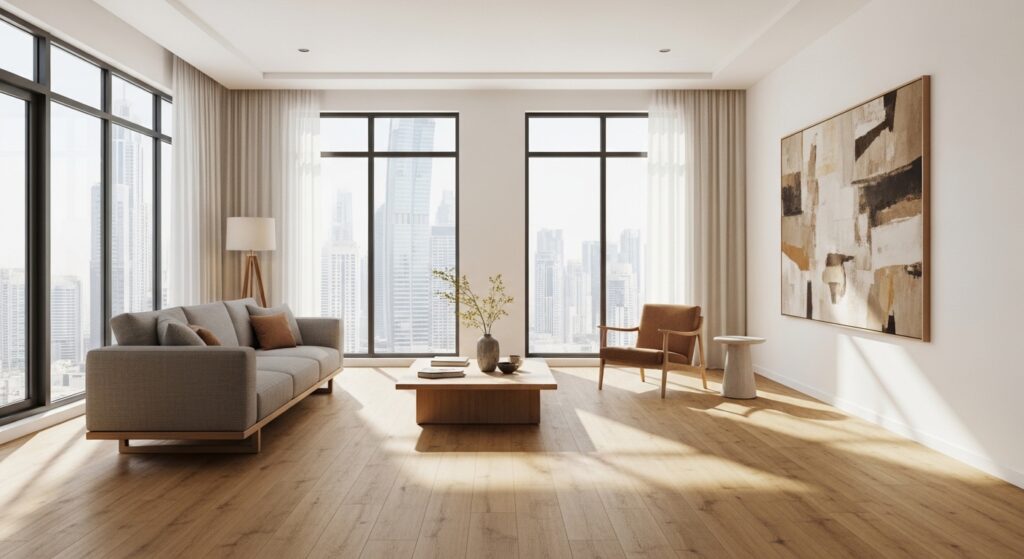
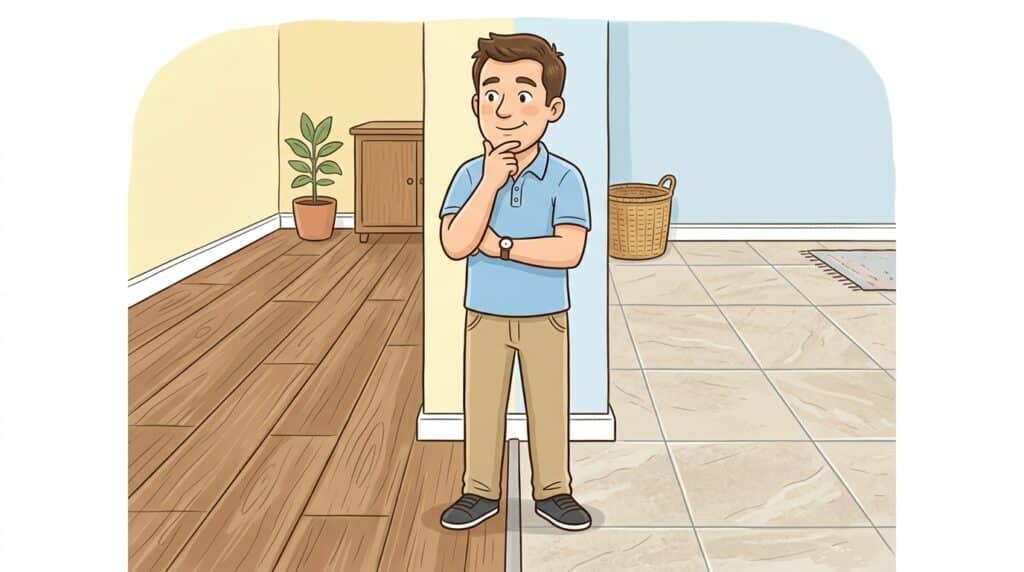
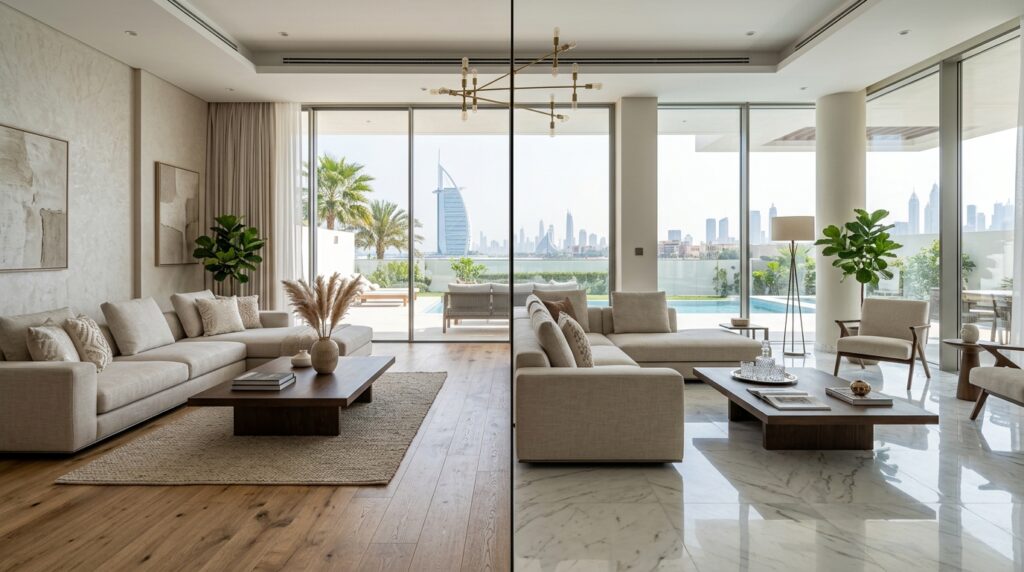
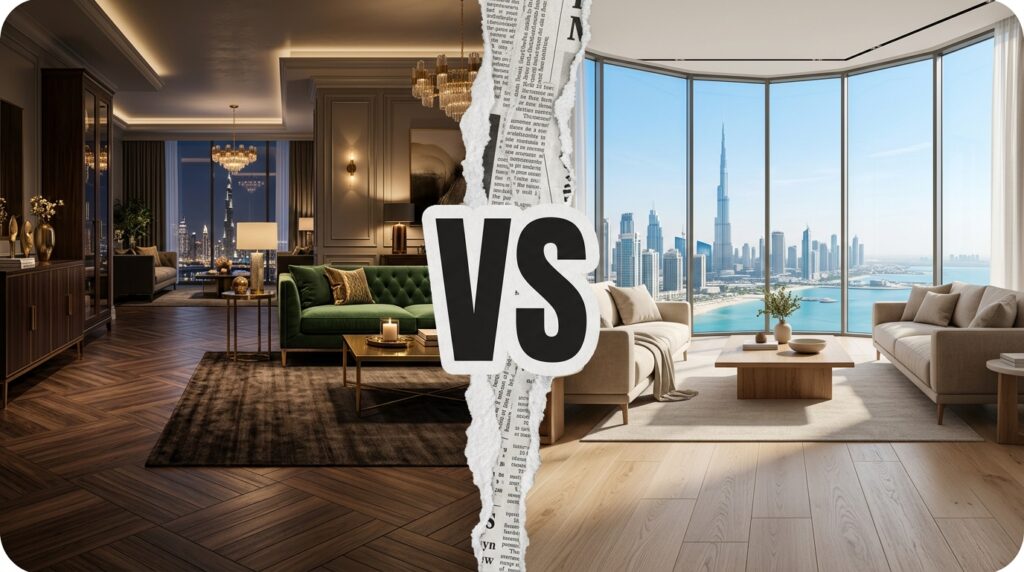
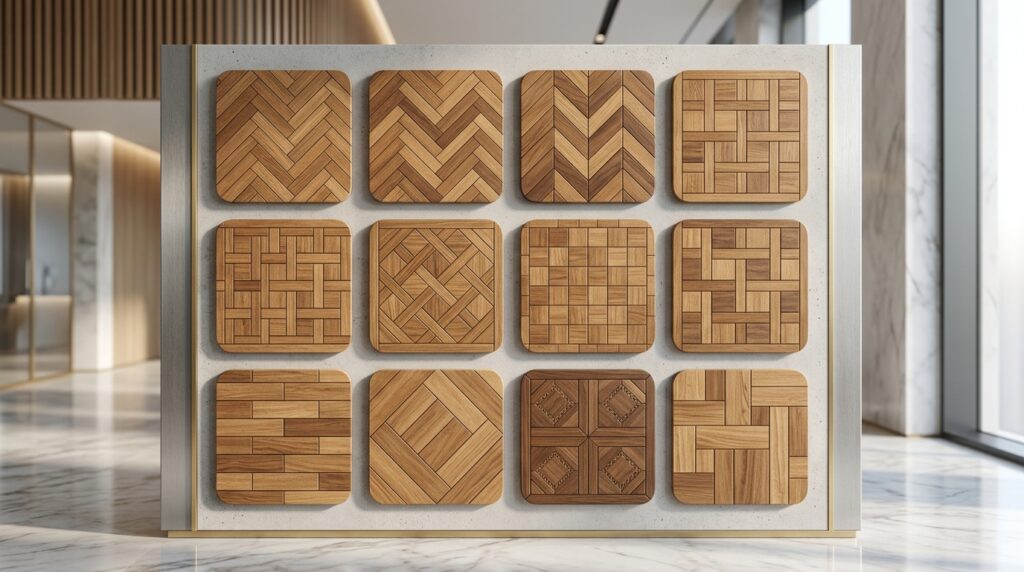
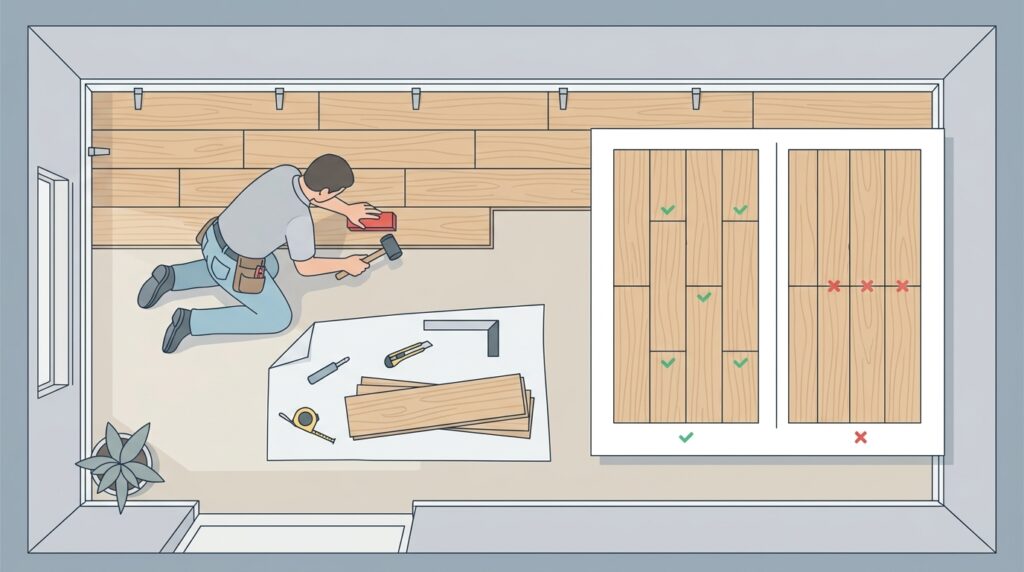
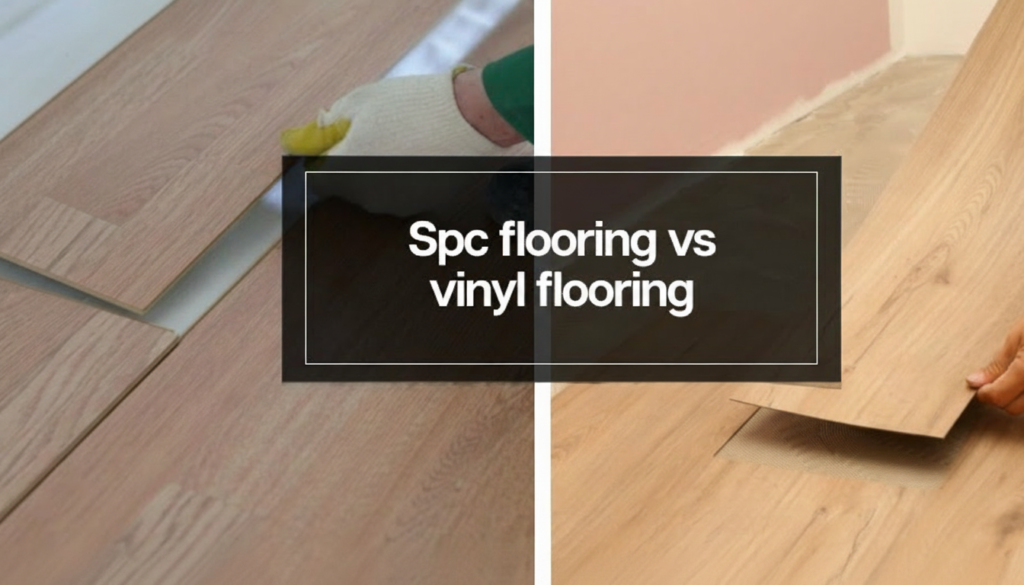
According to the weather conditions, choosing the best flooring for the Dubai climate is very important. Dubai sunlight has high temperatures and humidity that damage the entire floor material over time. If you pick the wrong floor, it can grow bigger, get old fast, and lose its color. This can lead to permanent cracks, surface damage, and a small lifespan. If a person wants long-term sustainability and performance, the right flooring materials for Dubai homes are essential.
Additionally, indoor air conditioning is another important factor. Mostly in Dubai, indoor spaces stay cool, but the outdoor temperature remains extremely hot. The climate of Dubai can create stress on the flooring material. Because some of the floor expands in heat and shrinks in cool conditions. To keep the floor stable and strong in all conditions, choosing heat-resistant flooring Dubai and climate-resistant flooring solutions is necessary. In this blog, you will learn about flooring options. And you’ll find out which one is best for your home.
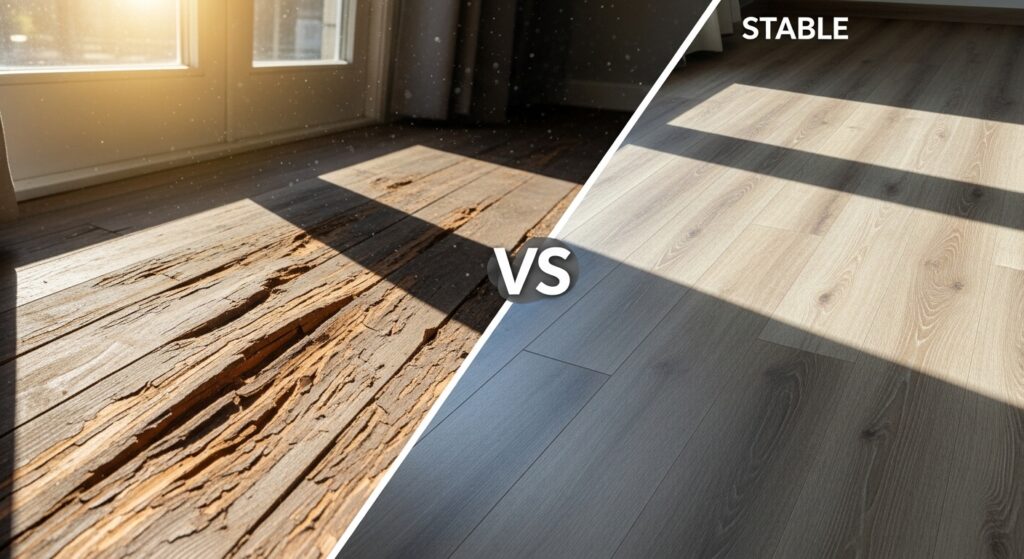
You must already know that extreme heat directly impacts flooring performance. Sunlight, you know, the city experiences extreme heat all year round, which causes the flooring material to lose its original shape. That’s why your floor gets bumpy and weak as time goes on. If you keep your floor in strong sunlight, then it will lose its color, it will lose its good look, and at the same time, small gaps will also start to show up between its planks and tiles. That’s why thermal stability flooring material is best for those people who are looking for the best flooring for a hot climate.
There is also another thing that can affect the flooring in Dubai, which is humidity. Because this region is mostly dry. Their coastal areas and indoor environment can experience moisture in the air. So this humidity can harm the flooring that is not properly sealed. That is why choosing moisture-resistant flooring systems is very important for long-term firmness. Along with that, sand and dust are also major challenges for flooring in Dubai. Because the small particle can scratch the surface and wear out quickly. That’s why most of the people prefer a durable flooring option that can handle daily moisture and maintain the appearance for a long period.
Air conditioning also changes floors in Dubai. Most inside rooms stay cool at 24°C, but outside, it’s 45°C or more. When doors and windows open, the heat moves fast. This constant shift between hot and cold makes the flooring expand and shrink. That movement puts stress on the material.
- Cracks: Floor planks or tiles can split under repeated movement
- Gaps: Joints between pieces open up and collect dust
- Cupping: Wood edges lift up and make the floor uneven
- Reduced lifespan: The floor wears out years earlier than expected
Picking the right floor in Dubai is not just a matter of style because here the weather is very brutal on materials. This non-stop switch between outside heat and cool indoor temperatures has the biggest hand in making the low-quality floor bend. Standard wood cups, cheap vinyl peels, and laminate edges start lifting. So the Sunlight can make your floor look 5 years old. And on top of that, sand coming from the window also makes you feel uncomfortable under your feet. If your floor is not made for this thing, then you will see cracks and dull patches coming so quickly that you would not have even expected.
So what actually works here? You need flooring that ignores temperature changes. It should not move, shrink, or bubble when things heat up. UV protection is huge if you’ve got sunlight hitting the floor. The flooring should be so strong that it can handle daily use, furniture pressure, and dust, which is why durable flooring UAE is highly preferred for this. Easy cleaning matters too. The goal is a floor that looks new for years without constant work or money thrown at it, and does not require frequent cleaning or special care.
Cost efficiency matters when picking flooring in Dubai. Cheap materials save money at first, but wear out fast in extreme heat. They crack, fade, and need early replacement. Buying flooring for hot areas costs more at first but saves money later. Tough floors handle heat, dust, and daily use without major repairs, so you avoid repeated future costs and trouble. Check these 6 things before you buy:
- Water resistance: Survives kitchen spills and AC drips without damage
- Heat resistance: No warping or softening in Dubai’s peak summer heat
- Scratch resistance: Resists sand, pet scratches, and furniture marks.
- Durability: Built for homes, not just stores. Stays good for 10–15 years.
- Maintenance level: Clean in minutes, no sealing or special chemicals needed
- Cost efficiency: Spend smart now so you don’t pay double later on replacements
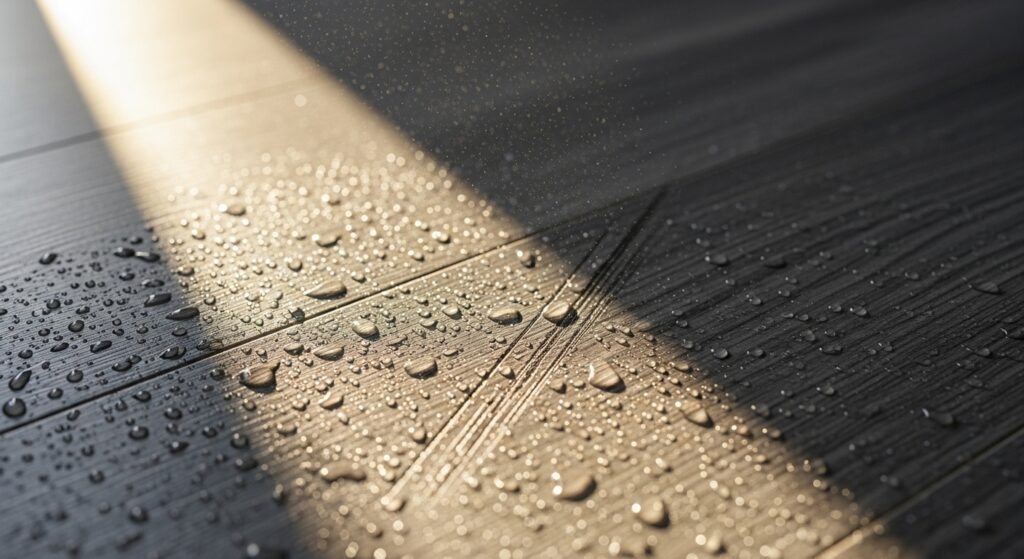
If you live in Dubai But you don’t know what is SPC flooring meaning ? spc is basicaly stone-plastic composite (or Stone Polymer Composite) that is 100% waterproof, so don’t stress about spilled water or mopping. Forget swelling, cupping, or mold. AC condensation and daily mopping will never hurt it.
Dubai summers hit 45°C+, but SPC stays the same size. It won’t bend, lift, or open up at the edges like wood or cheap vinyl. On top, it has a strong layer that fights scratches. Sand from outside, pets running around, or moving your sofa won’t leave marks easily. It looks like wood but acts way tougher. Another major advantage is that SPC can handle spills and humidity without damage
People in Dubai love SPC because it’s easy to live with. No special cleaners needed. Just sweep and mop. It’s not ice-cold like tile, so walking barefoot feels better. You get the luxury look of wood or stone but with zero climate headaches. It’s warmer and softer than tile, so your feet will thank you. Most homeowners get life spin 15–20 years of perfect performance, which means you save thousands on repairs and replacements. If you want one floor that does it all in Dubai, SPC is it. This makes it a strong choice for the best Spc flooring for Dubai climate. For Dubai homes, SPC solves the biggest flooring problems in one product.
Key features & Benefits OF SPC flooring:
- 100% waterproof & Moisture Proof
- Heat & Temperature Resistance
- Scratch & Dent Resistance
- Eco-Friendly & Non-Toxic
- Luxury Aesthetics with Low Maintenance
- Comfortable & Soundproof
- Cost-Effective Investment 15/20 year life
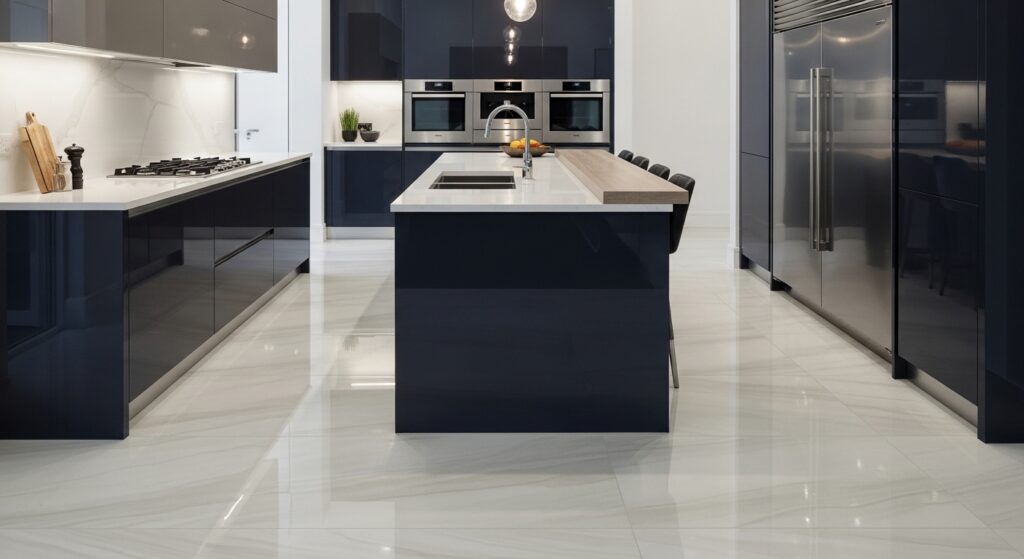
If you want something super strong and waterproof, porcelain tiles Dubai are one of the best. Spills, leaks, and moisture are no problem. They’re made from very tough clay that is heated until it’s rock hard. They’re baked almost like glass, so water can’t go inside. That means they don’t take in water, so bathrooms and kitchens stay safe. No warping. No fading. The color stays rich even with sunlight pouring through the windows all day. The surface is one of the hardest you can get in flooring, so sand under shoes won’t scratch it. This is why you see porcelain in so many UAE villas and hotels.
But you should know the trade-offs. It feels very hard and cold under your feet, so it’s not cozy for bedrooms. If you drop a heavy pan, the tile can crack and fixing it isn’t easy. Install costs are higher and take longer because of grout and leveling. Grout also needs cleaning to stay looking fresh. If you prioritize waterproofing and heat resistance above all, and you love the luxury tile look, porcelain delivers for decades in Dubai. With porcelain tiles in Dubai, you don’t have to worry for 20 years.
- Very durable
- Waterproof
- Heat resistant
- Hard surface
- Less comfortable
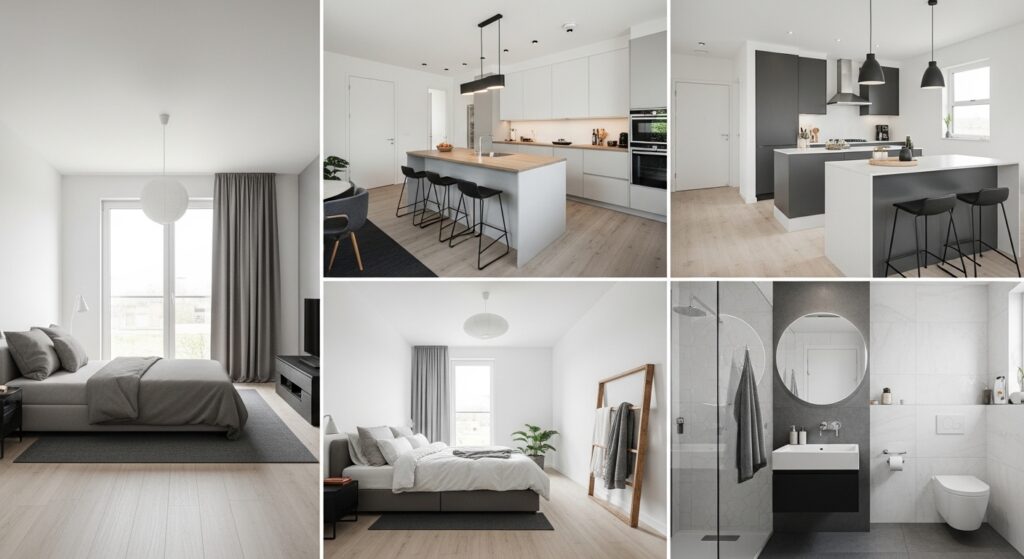
If you want style without stress, LVT flooring Dubai is hard to beat. It’s built with multiple PVC layers and a tough wear layer on top. The printed look looks like wood, stone, or tile so real that most people can’t spot it. It’s made from waterproof PVC with a strong top coat that stops stains, marks, and dents. This means you get smaller gaps, less bending, and better use all year. You still get the rich, natural look that makes a home feel warm and expensive. Your space looks instantly better with real wood grain underfoot. It’s the closest thing to solid wood with less risk.
LVT also saves you time and money during install. The click planks lock together over most subfloors with no glue or nails. You can use the room the same day. In Dubai’s sun and heat, quality brands won’t fade, curl, or crack. You get a stylish, modern floor that handles real life. No need to stress about sand from shoes, pet accidents, or kitchen leaks. It’s made for how people actually live here.
Waterproof core: Perfect for wet areas and spills
Comfortable feel: Warmer and softer than stone or tile
Tough surface: Resists scuffs from shoes, pets, toys
Quick install: Ready to use the same day
Wide designs: Hundreds of wood and stone looks available
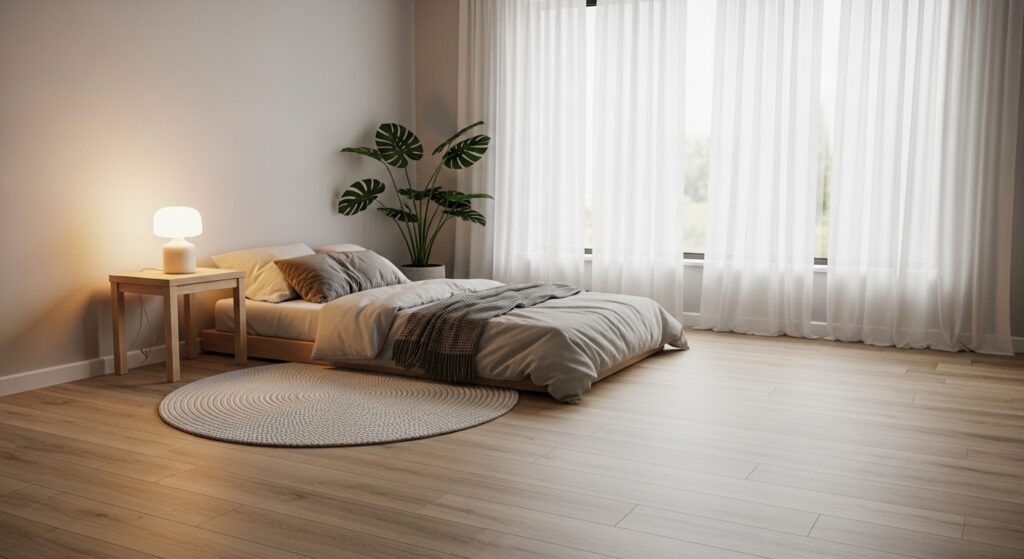
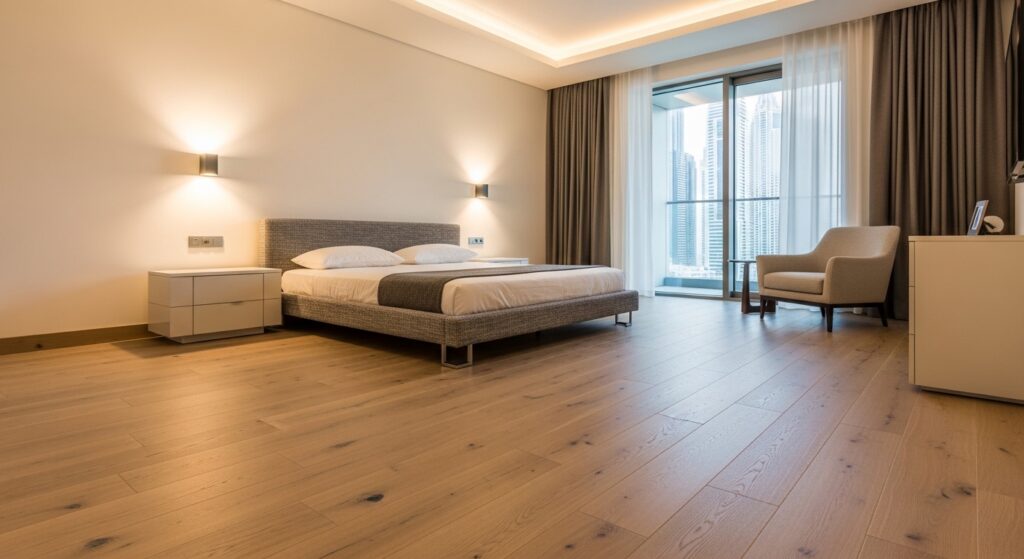
Want real wood but scared of Dubai’s humidity and AC? Engineered wood Dubai fixes that issue. It uses a thin slice of natural wood on top, bonded to cross-layered plywood or HDF underneath. This design keeps the floor stable when the AC runs all day and humidity shifts. You get the warm feel, real wood lines, and nice look of wood, which makes rooms feel soft. Unlike solid wood, it’s stronger and less likely to break in dry, AC rooms common in Dubai. This makes it a top pick for homes who want style, soft feel, and more strength in Dubai’s dry, AC spaces.
You can put engineered wood as a floating floor that clicks in place or glue it down for a firm, quiet step. Glue-down costs more but feels high-end. The top wood part can be sanded and sealed again once or twice if it gets marked or dull. This makes the floor last more time and keeps it looking new. It costs more than laminate or vinyl, but it stays for years and lifts home price. If you want the rich look of real wood without the big risk of bend in Dubai’s weather, engineered wood is the best mix. It gives nature, power, and long beauty in one floor.
- Natural look
- Stylish
- Moderate stability
- Moisture sensitive
- Expensive
Think Dubai’s climate won’t ruin your floor? Heat, sand, water, and AC destroy weak floors fast. One wrong choice and your floor cracks, warps, or fades in months. Don’t waste money. This guide compares how each flooring type really performs here. Comparing flooring types helps you choose the best option based on Dubai climate conditions.
| Feature |
SPC |
Tiles |
Vinyl |
Wood |
| Heat Resistance |
Excellent |
High |
Medium |
Low |
| Water Resistance |
100% |
100% |
Partial |
Low |
| Durability |
High |
Very High |
Medium |
Medium |
| Maintenance |
Easy |
Medium |
Easy |
High |
| Cost |
Medium |
Medium |
Low |
High |
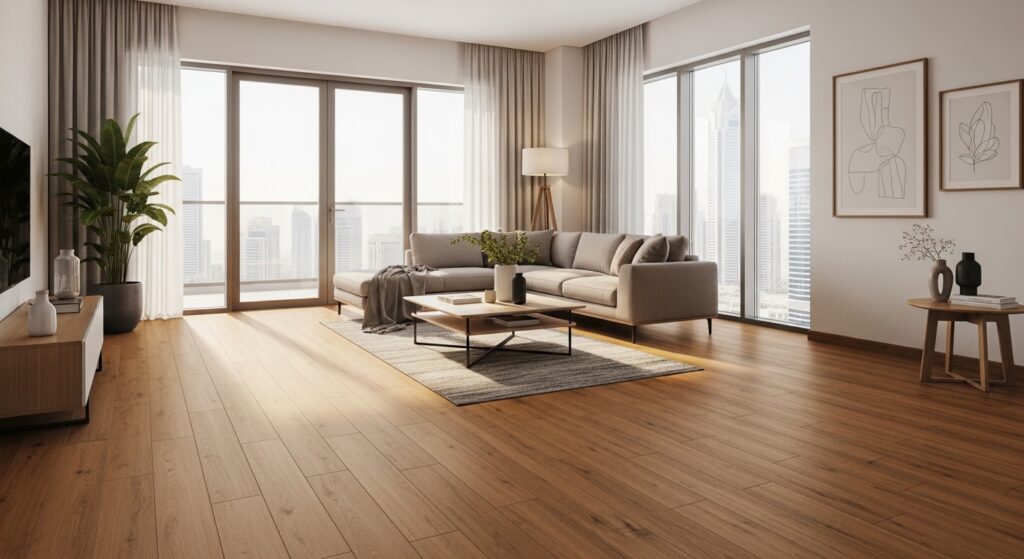
Your living room needs style and strength because guests, kids, and family use it daily. Engineered wood gives real timber warmth, rich grain, and high value. It stays more stable in Dubai’s dry AC air with fewer gaps. LVT is the stress-free choice. It looks like wood or stone but resists scratches, dents, and spills.Both do well in heat and are easy to clean. Kitchens have water, oil, heat, and pans that fall each day, so floors must be fully safe from water. Porcelain tile is the most strong kind. It will not get stains, burn, or puff up from spills, and it stays cool when you cook. LVT is the comfort pick.
Moreover, safety in the bathroom is most important because there is always water. Rough porcelain tile works best. It holds wet feet, stops slips, and deals with daily showers, steam, and strong cleaners without harm. Flat, not shiny, finishes hide water marks better. Big tiles mean less space between them, so less mold and less cleaning. Do not use wood, laminate, or click LVT. Always put a water-proof layer under it. Your bathroom floor should stop leaks and falls, not just look pretty.
For the bedroom, Engineered wood feels real and warm on your feet. You won’t get a cold shock from AC tiles when you wake up. It reduces echo, making the room calm and private. LVT with acoustic backing is a smart choice too. It cuts footstep noise, feels gentle on feet, and resists dust, which helps allergy sufferers in Dubai. Avoid hard, cold tile unless you add large rugs.
- Living room → SPC / Vinyl
- Kitchen → SPC / Tiles
- Bathroom → SPC / Tiles
- Bedroom → Vinyl / Wood
If you are wondering what is best flooring for Dubai homes is, SPC is the best all-around pick for most homes. SPC means Stone Plastic Composite. It was made for tough places like Dubai. The middle part is 100% safe from water. Spills, mopping, or a small leak will not make it swell or bend. Dubai summers and dry AC air can ruin wood, but SPC stays strong. You still get the pretty look of wood or stone on top, so your home looks high-end. Under that, the base is rock solid. Kids, pets, heavy sofas, and sand from shoes won’t hurt SPC. It snaps together fast, and you can put it right on top of your old tile.
Now, wet spots need something even tougher. That’s where porcelain tile wins. There is no effect of water, steam, or bleach on it. Just make sure you get a tile that’s flat and a bit rough, so nobody slips when it’s wet. Fewer grout lines also means less mold to scrub. What about if money is tight? Go for vinyl or LVT. It’s the budget hero. You pay less than SPC or tile, but it still handles water and heat way better than laminate. It feels soft when you walk on it, goes in fast, and works great for rentals or whole homes when you want to spend less but still get a neat, new look.
Yes, if your tile is flat and solid. SPC clicks on top, which saves dust and money from breaking old floors. Your floor gets a bit higher, so check doors. A pro should check for cracks or bumps first. Uneven tile needs fixing. Good prep gives you a smooth, long-lasting result
No. SPC feels warmer than tile under your feet in the morning. It’s not as warm as real wood, but you won’t get a cold shock from AC tiles. Add a thick underlay and it feels softer and quieter too. It’s nice for bedrooms and walking barefoot. Kids like it.
LVT is soft, flexible vinyl. SPC has a hard stone-plastic core. That makes SPC stronger, more dent-proof, and better with heat. SPC clicks in and can go over old tile. LVT often needs glue and a very flat floor. SPC costs a bit more but feels solid and lasts longer.
Laminate is risky here. It has a wood core, so water and humidity make it swell. AC can dry it out and cause gaps. Sand scratches it fast. Use it only in dry bedrooms with rugs and no mopping. SPC or vinyl is safer for most Dubai homes and needs less care.
Very cheap floors can fail. Thin wear layers scratch fast and may bend in heat. Some also have a bad smell. In Dubai, get at least 4mm SPC with a 0.3mm+ wear layer. Ask for a sample and test it. Saving now can cost more later in repairs.